
Being home from school is truly heaven– I woke up at 11 this morning, ate a nice breakfast cooked by my dad, and got right back into bed afterwards. As I scrolled through all my social medias, I couldn’t help but notice how excited everyone was for Thanksgiving. From memes about going on “walks” with your cousins before dinner to Snapchat stories documenting the food prep, it seemed like everyone was gearing up for a great time. 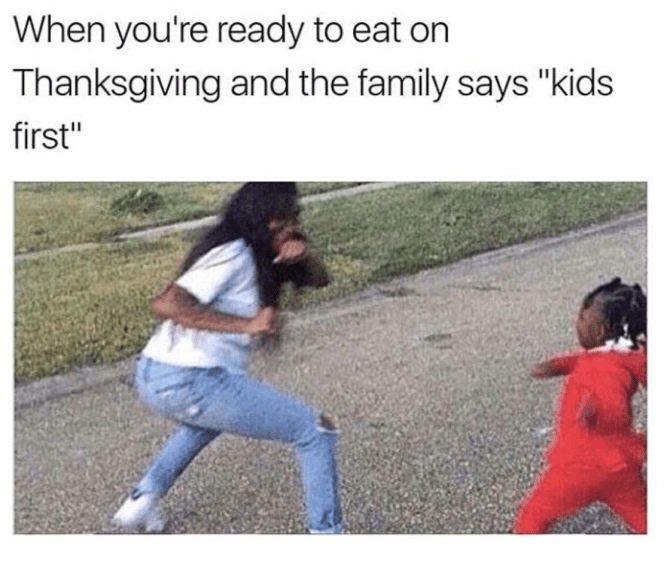
And then I wondered if Native Americans felt the same way about the holiday; obviously, I knew that this was a group that was historically treated very badly by colonists and their descendants and that when we learned about Thanksgiving in elementary school things were sugarcoated at best, but I wanted to find out for sure if Thanksgiving was alongside Columbus Day on the list of holidays that effectively symbolize the oppression of a certain group.
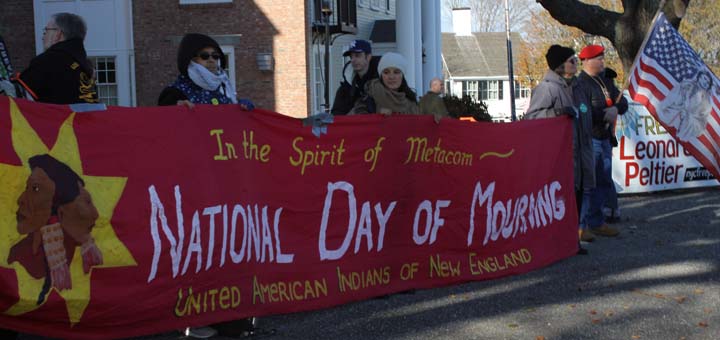
After Googling up a storm, I found out that many Native Americans consider Thanksgiving to be a day of sadness and remembrance. In fact, the United American Indians of New England (UAINE) organized a National Day of Mourning to commemorate Native American’ lives lost in colonial times. Additionally and unsurprisingly, I found that Native Americans in Plymouth, Massachusetts rally against Thanksgiving on the fourth day of November every year.
This is all very sad to me. I think it is a shame that the very people who are indigenous to this land and whose skills and advice we used to prosper are unable to celebrate this day because of its implications. I know that there have been efforts to make a holiday that celebrates Natives but, clearly, those efforts have failed.
What is even more sad is how often Native American culture is mocked and trivialized around this time of year. When I was little, I remember making paper headbands with feathers on them and having to bring food in for our little “feasts” at school. This may seem harmless, but when you actually think about it, it was very backwards for the school system to make us do that.
First of all, as children we never learned about how awful colonists treated Native Americans. I understand that it is not appropriate to teach young children about such things as genocide but we were essentially taught to believe that the relationship between colonists and Native Americans was happy, friendly, and mutually beneficial. This could not be further from the truth. In essence, we were lied to.
Second of all, when you consider my previous point, it’s a little fucked up to have children (who believe Natives and colonists were BFFs) pretend to BE Native Americans to celebrate the holiday. Dressing up as a Native American in this way is insulting for a couple reasons but I think in this situation especially, it is just adding insult to injury because it implies Natives themselves approve of the holiday which, as aforementioned, they really don’t.
This being said, I don’t believe Thanksgiving is up there with Columbus Day; I think that we can go about celebrating it in a way that doesn’t undermine Native Americans by 1) being conscious of the history between Natives and colonists and 2) not disrespecting Native culture. I think kids should still make Native crafts and have fun classroom Thanksgiving parties– but they should also be aware that Natives and colonists weren’t exactly friends, save the gory details.
Happy Thanksgiving!

 Worst in Politics
I actually talked to my little neighbor about what they do for their Thanksgiving feast at her elementary school because I was curious of the same things. I think that as society we should change the narrative of the holiday because it does stand for more than just the pilgrims at Plymouth and Squanto nowadays, so kids shouldn’t celebrate that BS story!
LikeLiked by 2 people
You did such a great job with this post! Truly eye-opening. Recently I found out that Thanksgiving is not all that it seems when it comes to the Native Americans, and now I know more about it thanks to reading your post. I agree with what you said about Thanksgiving not being as bad as Columbus Day, and I like the points that you make about how we basically mock the Native American culture and how we need to be more conscious about it. Overall, I like the way you brought attention to something that not many people know about regarding Thanksgiving.
LikeLiked by 2 people
I never thought about it before but is the thxgiving suppose to celebrate for the appreciation that the new immigrants wanted to express regarding the helps that the Native Americans offered. If that is the case, there is nothing wrong with the holiday in my perspective. Americans should learn from history and make sure the miserable impacts because of the American colonization won’t happen again
LikeLiked by 1 person
I think that’s what the holiday is supposed to represent but I feel that it has become less about thanking Natives and more about being thankful in general which dilutes any sentiment directed towards Natives
LikeLiked by 1 person
This was a great and informative post. It’s important to remember the true history behind this holiday. Like you said, we can definitely celebrate Thanksgiving without undermining the history of the Native Americans, but we must also acknowledge the history behind the day. Keep up the good work.
LikeLiked by 2 people
Wow I am so tired, I read your first sentence as “I woke up at 11 this morning, ate a nice breakfast cooked MY dad, and got right back into bed afterwards”, LOL im so tired. But I agree, the educational curriculum should be changed, tactful to the age group of course. But, blatantly celebrating a massacre is inhumane, because that is what Thanksgiving is. I read this once, how in the 17th century the first Thanksgiving was a feast to celebrate the ‘extermination’ of natives peoples, it was not till Lincoln who made it a national holiday that the tradition become national. And, even that year when Lincoln declared thanksgiving a national holiday it was the biggest mass execution in the US, with 34 native American men being executed for protecting their land. Native Americans need recognition, visibility, and rights.
LikeLiked by 2 people
never knew that thank you!
LikeLike